|
|
|
|
|
|
|
Meetings are free and open to everyone. Arrive 30 minutes early for the social time.
|
|
|
|
|
|
|
|
|
|
|
|
Important Deadlines
Don't miss your chance to participate!
|
|
|
|
|
|
Flagpole Photographers Camera Club Posts
|
|
|
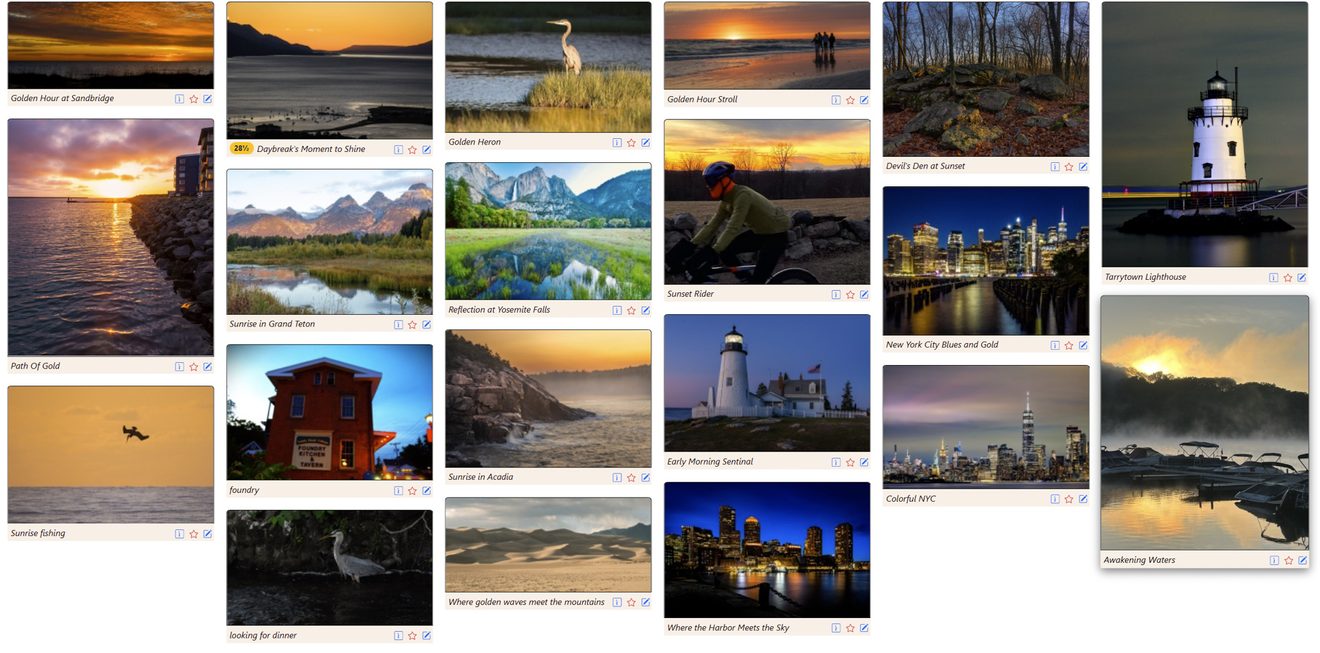
2026 June Competition Results, All Photos & Video
|
|
|
1. Congratulations to our winners!
2. Results
3. Video of the Judges Discussing the Photos
|
|
|
|
|
|
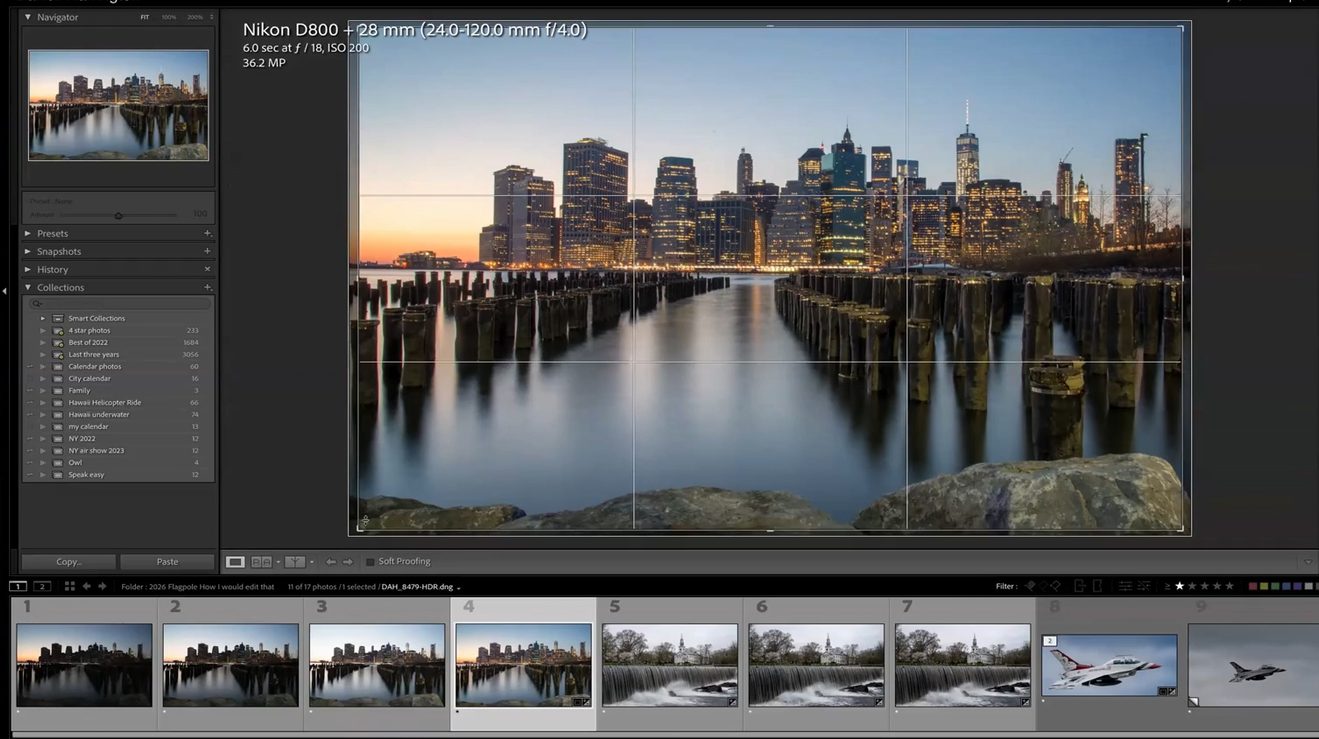
Live Photo Editing Program Recording
|
|
|
Thank you to everyone who joined us for our Editing Skills to Know: A Live Photo Editing Program! It was an incredible evening packed with practical photo editing techniques, interactive deep dives, and creative inspiration.
|
|
|
|
|
|
June 2026 - Flagpole Photographers Newsletter
|
|
|
📸 June 2026 Flagpole Photographers NewsletterDownload
|
|
|
|
|
|
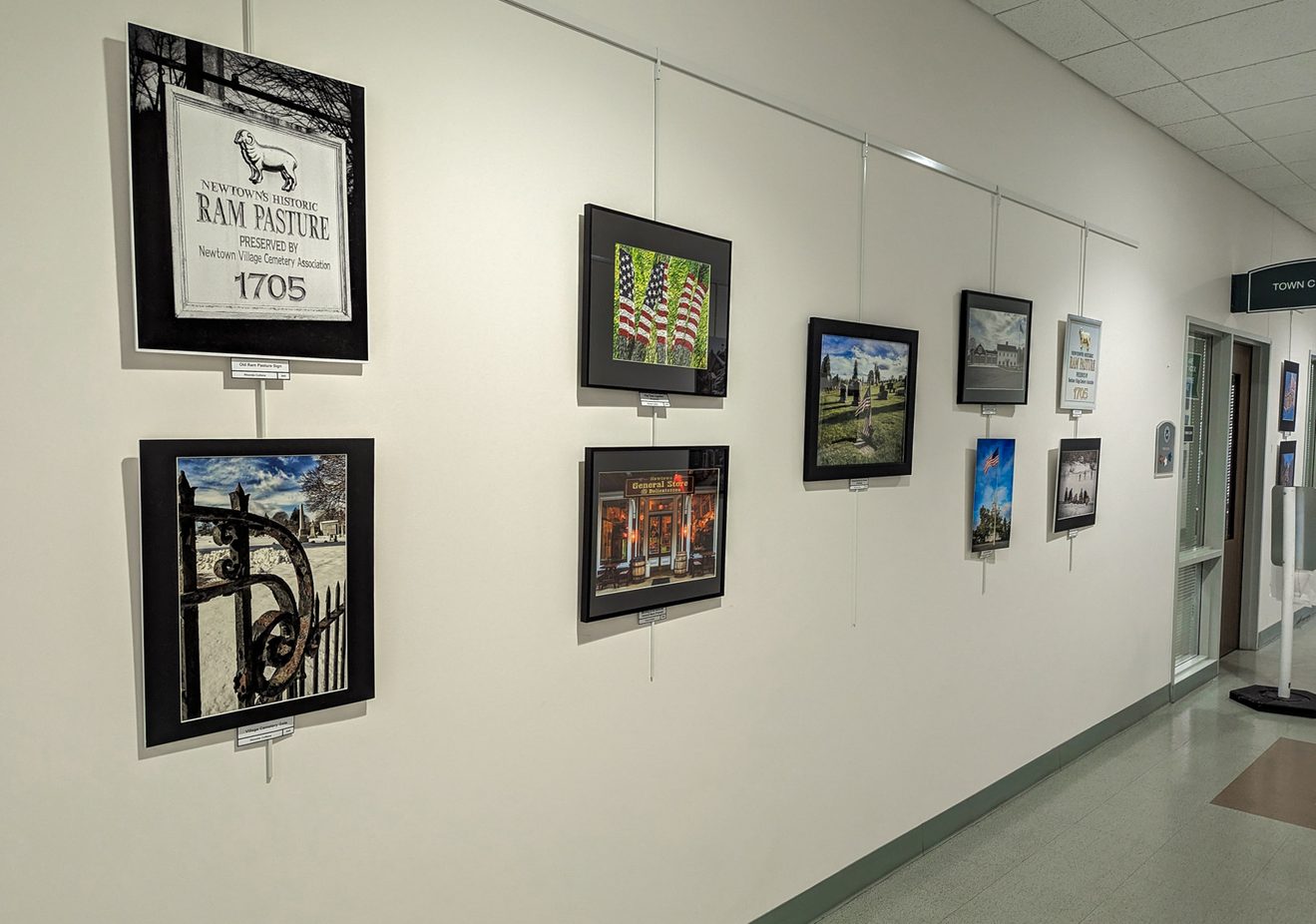
Call for Entries: "Summer Newtown Exhibit"
|
|
|
Celebrating America’s 250th Anniversary Flagpole Photographers and community members are invited to participate in a special photo exhibit at the Newtown Municipal Center! To honor our town and celebrate our country's 250th Anniversary, we are highlighting the beauty, history, and spirit of Newtown. The format for this event is similar to our annual “Newtown and Beyond” exhibits, but without the …
|
|
|
|
|
|
Monthly Assigned Subjects Ideas
|
|
|
|
Note: The meaning of our assigned subjects is always open to your personal interpretation. Let these ideas spark your imagination, rather than hinder your creativity!
|
|
Minimalist
The Challenge: Minimalism is about reducing a photograph to its most essential elements. The mantra here is "less is more." When choosing a subject for minimalism, look for everyday objects or scenes that can be isolated from their context. The subject doesn't have to be complex; in fact, the simpler, the better.
|
- The Lone Element: A single tree standing in a snow-covered field, one bird flying across a cloudless sky, or a solitary boat on a perfectly still lake.
- Architectural Abstracts: Zoom in on a modern building. Look for repeating geometric shapes, stark shadows cutting across a concrete wall, or a single brightly colored door against a neutral facade.
- Macro Details: A single water drop on a blade of grass, the curve of a feather, or the rim of a teacup. Macro photography naturally blurs out the background, making it an excellent tool for minimalism.
- Silhouettes: A dark, featureless shape against a bright, uniform background (like a sunset or a foggy morning) removes distracting details from the subject itself.
- Long Exposure: If you are shooting a static subject (like a pier) but the water is choppy or the clouds are cluttered, use a Neutral Density (ND) filter and a tripod. A 30-second exposure will turn the moving water into a smooth, milky surface and the clouds into soft streaks, instantly creating pristine negative space.
- Intentional Camera Movement (ICM): Panning the camera smoothly during a slightly longer exposure (e.g., 1/10th of a second) can blur distracting backgrounds into beautiful, minimalist streaks of color. This works wonderfully in forests or near the ocean.
- Spot Metering: Set your camera's light meter to "Spot" and expose specifically for the brightest part of your subject. This will plunge the surrounding darker areas into pure black, naturally creating a low-key minimalist photo.
Road
The Challenge: A successful road photograph makes the viewer feel like they are standing right there, about to take a journey. It requires careful attention to depth and perspective.
|
- The S-Curve: A classic composition. Look for winding mountain passes or rural dirt roads that snake through the frame. The "S" shape forces the viewer's eye to weave slowly through the entire photograph.
- The Foggy Path: A gravel or dirt road disappearing into thick morning fog. The fog naturally hides distractions and adds a deep sense of mystery.
- Wet City Streets at Night: Rain transforms dull asphalt into a giant mirror. Capture the neon reflections of traffic lights and streetlamps on a wet road during the blue hour.
- The Scale Subject: A massive road winding through a landscape with a tiny, distant element—like a cyclist, a vintage car, or a hiker—to give a massive sense of scale.
- Telephoto Compression: While wide-angle lenses are popular for roads, try using a telephoto lens (like a 70-200mm). Telephoto lenses compress the perspective, making distant curves, mountains, or approaching cars look much larger and closer together than they actually are.
- Low-Angle Shooting: Don't just shoot from eye level. Get your camera as close to the asphalt as possible. This exaggerates the texture of the road in the immediate foreground and makes the leading lines much more aggressive and dynamic.
- Aperture Selection for Depth: To keep everything from the gravel at your feet to the distant mountains sharp, stop your lens down to f/8, f/11, or f/16. Be mindful of your shutter speed, as a larger aperture number lets in less light.
|
|
|
|
|
|
Thanks for reading. See you soon!
|
|
The Flagpole Photographers Team
|
|
|
|
|
|
|